
Six Generations.
One Name on the Door.
In 1860, Charles Wunderlich started making wooden barrels a few blocks from the Mississippi River. More than 165 years later, his family still runs the business from the same North St. Louis neighborhood. This is the story of how a cooperage became a corrugated box company, and how six generations kept it going.
Bob Wunderlich Welcomes You
150th anniversary video, opening welcome (about 0:35–3:35). Trim to 60–90 seconds and add captions.
Hear It from Bob Wunderlich
When the company turned 150 in 2010, Bob Wunderlich welcomed customers, employees and city leaders to the plant and told the story the way his family always has. Bob joined the business in 1963 and led it through four decades of growth.
“A very small percentage of family-owned businesses make it past the second generation.”
The Cooperage Years
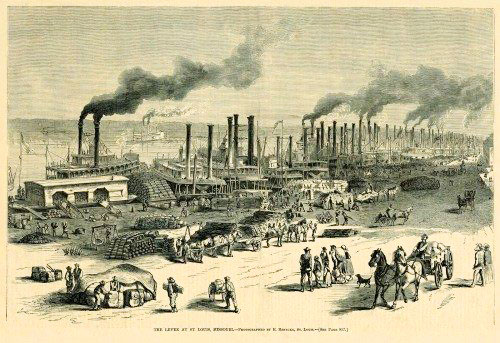
Before trucks, pallets and cardboard, America moved its goods in barrels. Hardware, flour, sugar, apples, crackers, pickles and anything liquid traveled in wooden barrels or crates, and St. Louis, with a levee lined with steamboats, needed a lot of them.
A Cooper Sets Up Shop
Charles “Chas.” Wunderlich begins making wooden barrels in North St. Louis, in the shop known as the Monroe Cooper Shop.
By Horse and Steamboat
Finished barrels left the shop on horse-drawn racks. Customers filled them and sent them to the levee, where steamboats carried them up and down the Mississippi.
Two Kinds of Barrels
Wunderlich coopers made “slack” barrels for dry goods and “tight” barrels for liquids, which had to hold without a drop lost.
Incorporated: Chas. Wunderlich Cooperage Co.
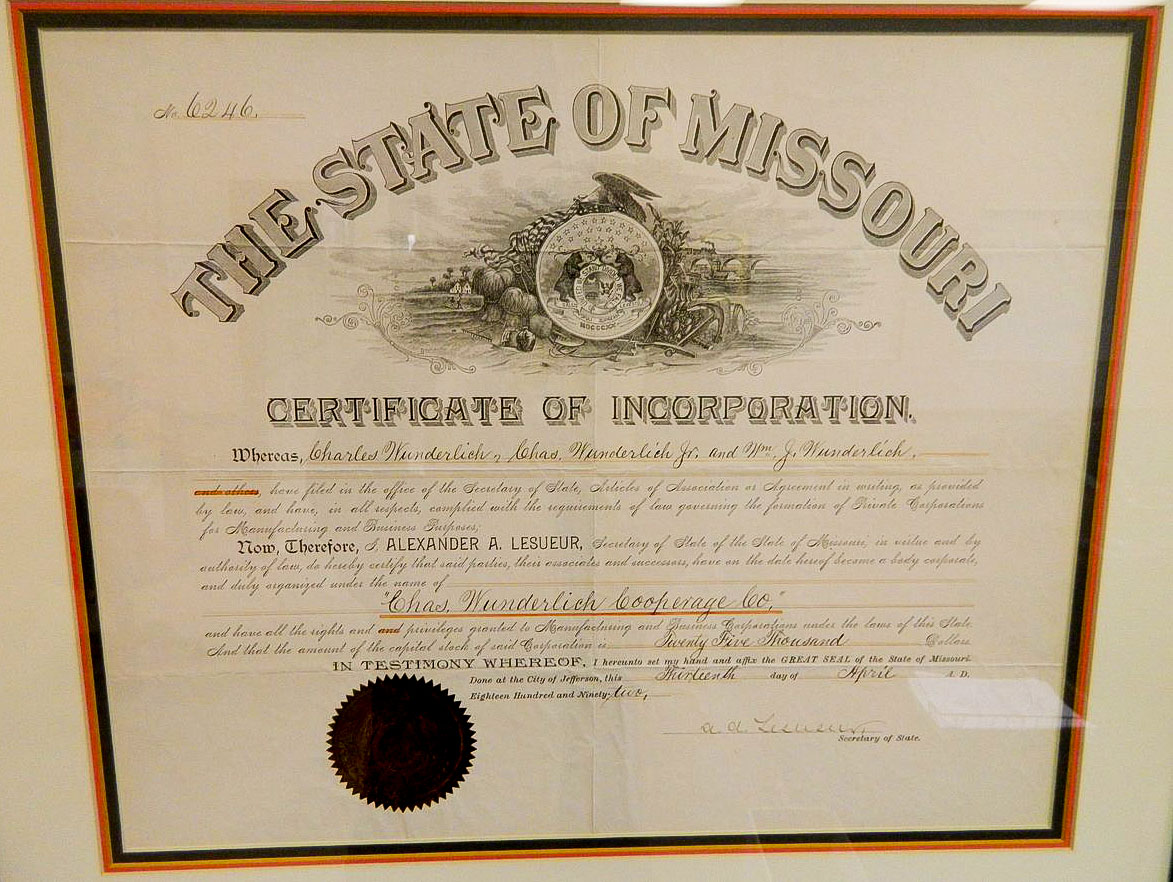
On April 13, 1892, the State of Missouri certifies the Chas. Wunderlich Cooperage Co., formed by Charles Wunderlich, Charles Wunderlich Jr. and Wm. J. Wunderlich with $25,000 in capital stock. The framed certificate still hangs in our office.
Twelve Stave Mills in the South
Charles Wunderlich Jr. becomes president, followed later by his brother, Albert Wunderlich Sr. To keep up with demand, the company runs as many as 12 stave mills in the South, supplying the staves, hoops and heads for its barrels.
What’s a Cooperage?
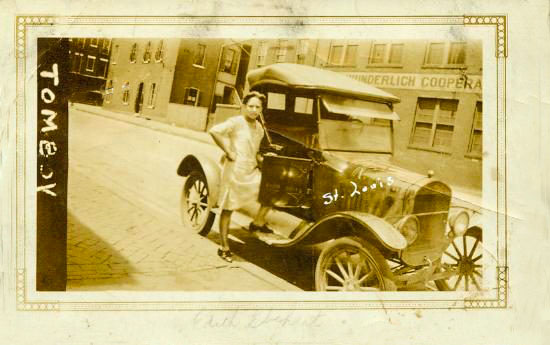
A cooper makes or repairs vessels built from wooden staves and hoops. A cooperage is the shop where a cooper works.
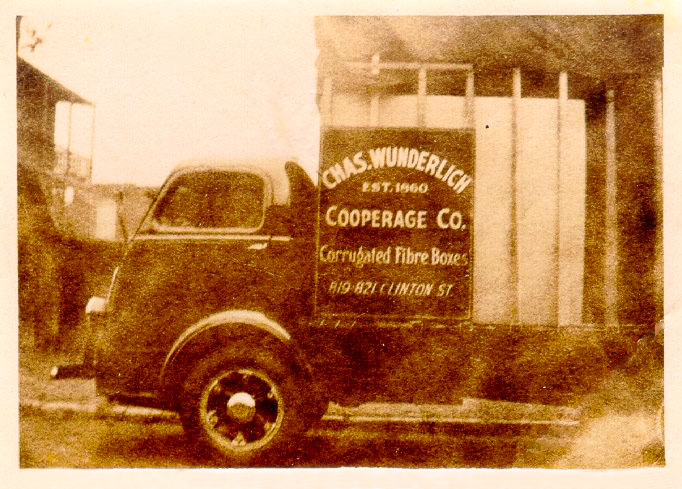
It’s why our oldest documents, ads and trucks all carry the name Chas. Wunderlich Cooperage Co., long after the company started making boxes.
From Barrels to Boxes
A cooperage could have stuck with wood. Wunderlich didn’t. In 1930 the company added corrugated boxes alongside its barrels, starting a habit every generation since has kept: read where customers are going and adapt without losing what built the business.
Corrugated Joins the Barrel Line
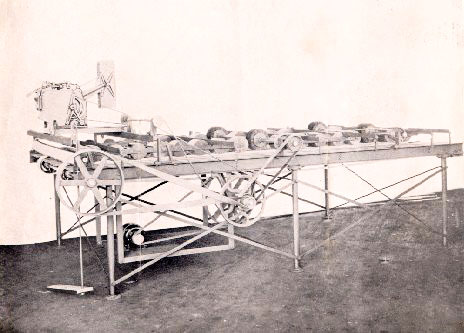
The company begins making corrugated fibre boxes and runs both trades side by side for decades.
Containers for the War Effort
During World War II, barrels and boxes are both in heavy demand. Wunderlich makes containers for powdered milk and eggs, meat and shell casings.
Wunderlich Fibre Box Mfg. Co. Is Formed
The box business gets a name of its own, the name still on our door today.
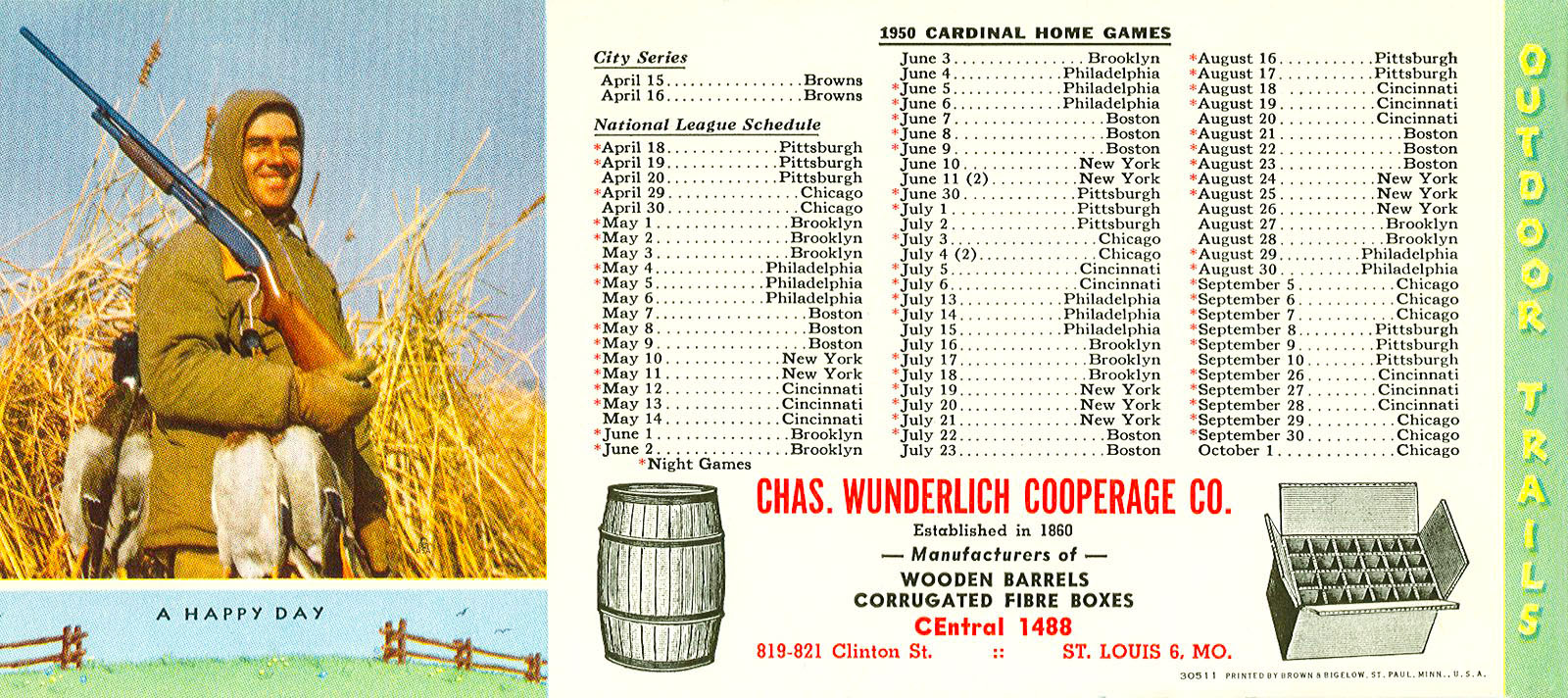
Call CEntral 1488
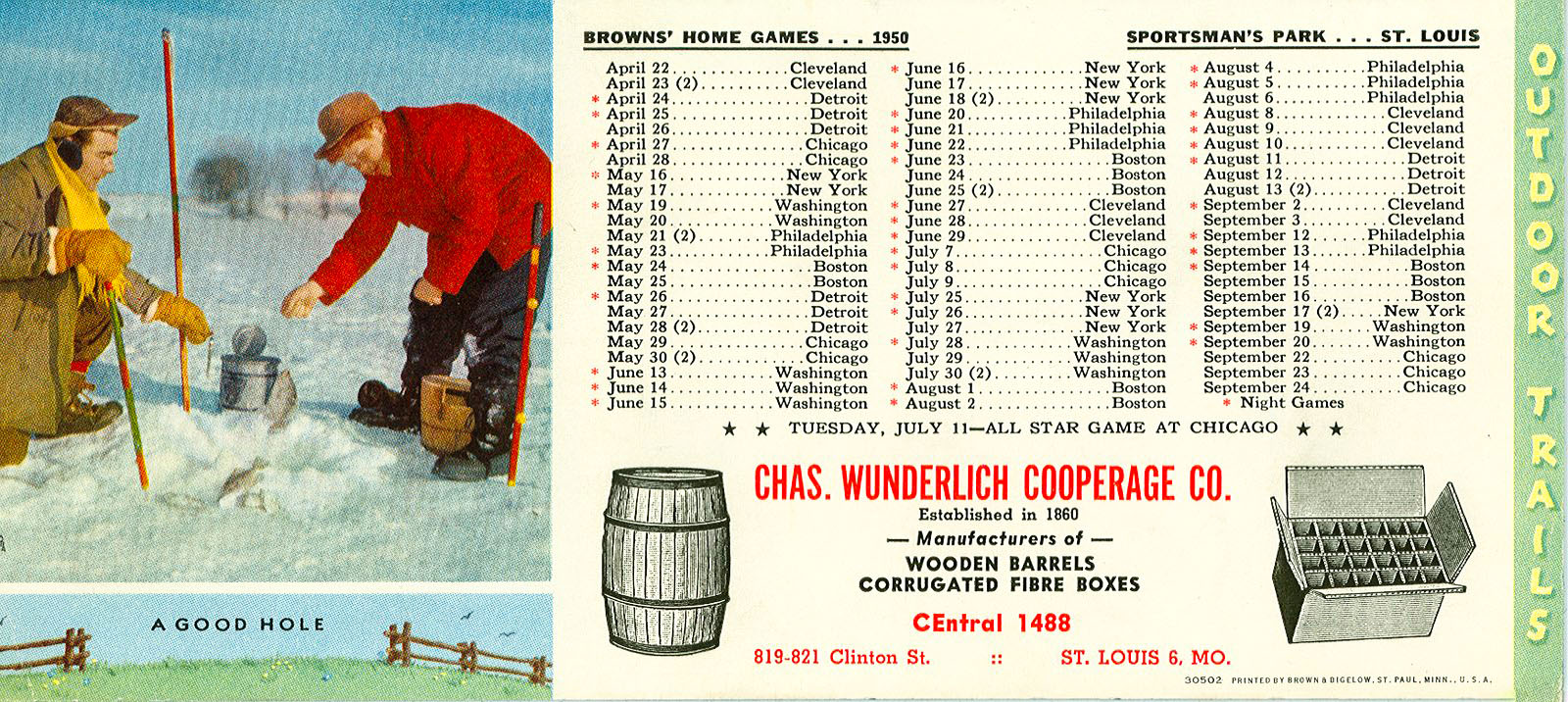
These 1950 pocket schedules for the Browns and the Cardinals, from back when St. Louis had two big-league teams, list our number as CEntral 1488.
On a rotary dial, C and E sit on the 2 and the 3, so CEntral 1488 dialed as 231-1488. Add the 314 area code and it’s the same number you’ll reach today: 314-231-1488.
A New Generation Takes the Floor
In 1963 a young Bob Wunderlich joined the family business. Over the next four decades he led its biggest stretch of growth, investing in new machinery and new technology while keeping the family’s promise to customers.
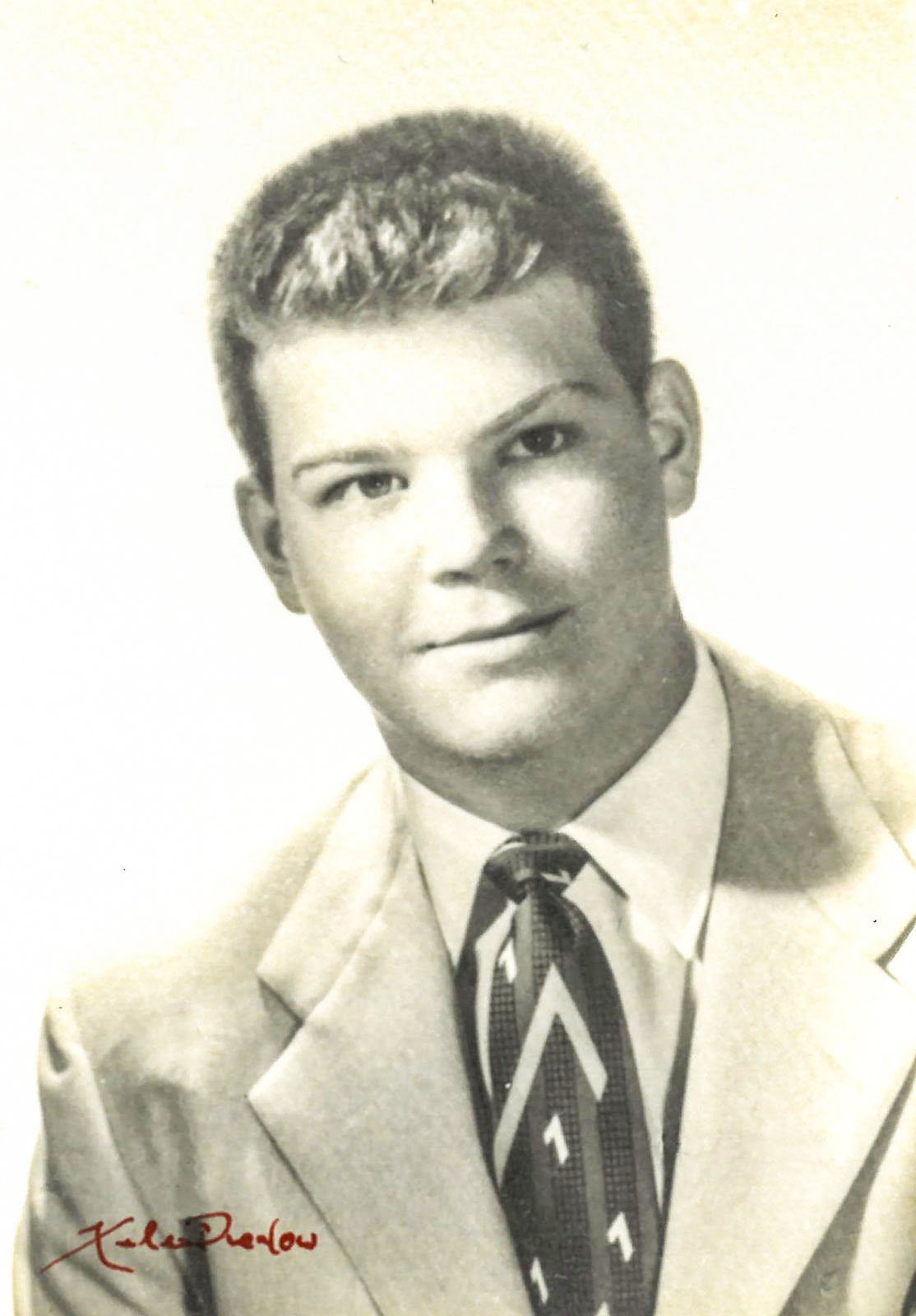
Bob Wunderlich Joins
The fourth generation arrives. Bob grew up around the plant and would go on to become the company’s fifth president.
The Last Barrel
After more than a century of cooperage, Wunderlich makes its last wooden barrel and commits fully to corrugated.
A Bicentennial Salute
For the U.S. Bicentennial, the radio series “Salute to St. Louis Industry” profiles the company, then led by its fourth president, Albert Wunderlich Jr.
Steve Dybus Joins
Bob’s son-in-law, Steve Dybus, joins the company. He serves as Vice President until 2009.
“If you show me an individual with the pilot light lit, I can light the furnace. But if the pilot light is not lit, you will never light the furnace.”
Building for the Next Century
As customers asked for more graphics, more displays and faster turnarounds, the family did what it had always done: it invested. A new plant went up beside the original building, new lines went in, and the fifth generation came home.
Rob Comes Home
After serving in the U.S. Marine Corps, Rob Wunderlich joins the business full time. He’d grown up sweeping the plant floor and learning how packaging is made through high school and college.
A New Plant Next Door
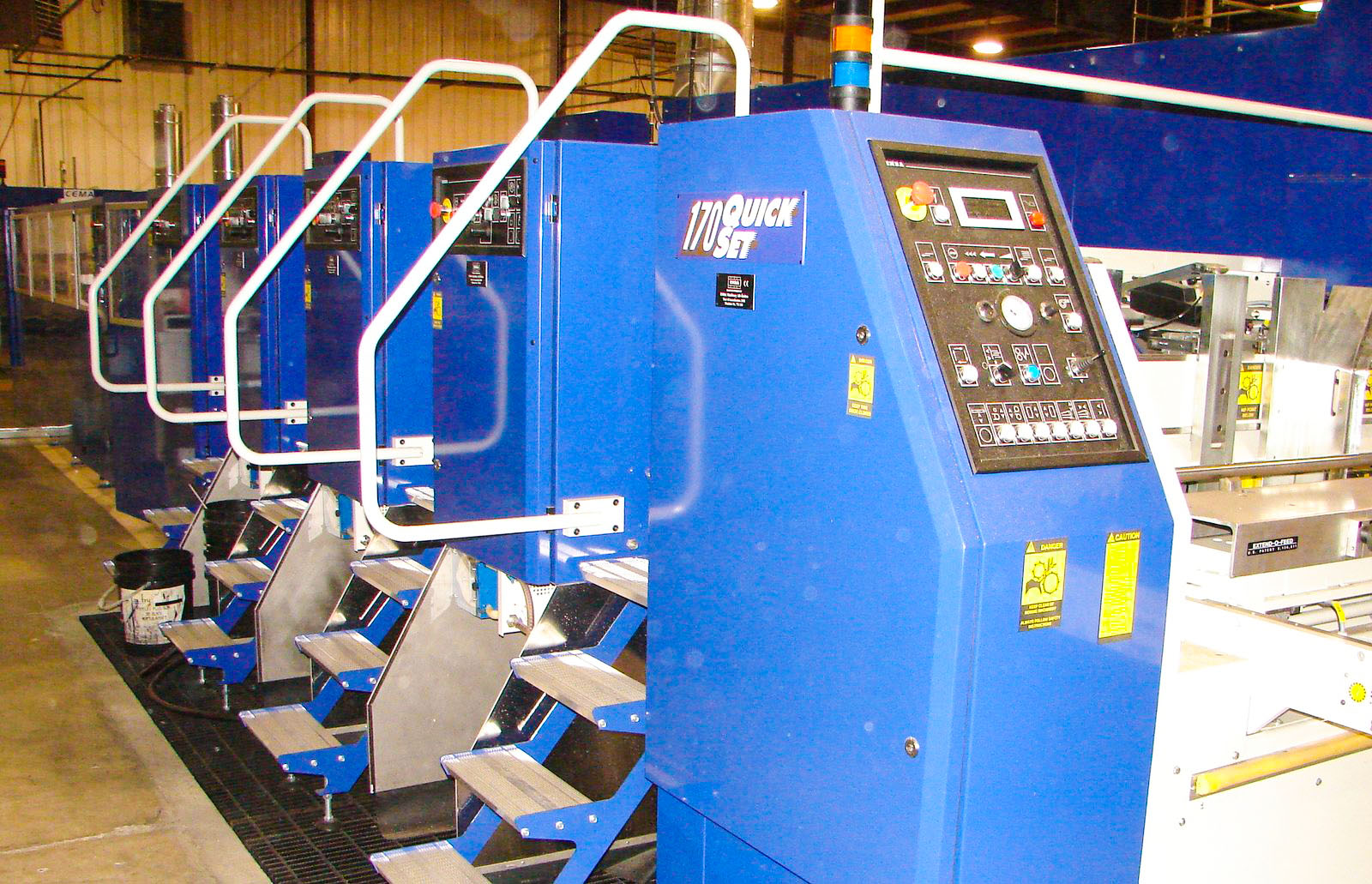
Building expansions go up in phases beside the original building. A flexo folder-gluer and die cutter arrive in 1999, a specialty gluer in 2005 and a second flexo folder-gluer in 2008.
Pop & Go® Floral Box
Wunderlich designers introduce the Pop & Go® floral box, which sets up in seconds without staples.
Spirit of St. Louis Award
Mayor Francis Slay presents the City’s Spirit of St. Louis Award. The same year, Steve Dybus becomes President.
150 Years on the North Side
Wunderlich celebrates 150 years of continuous family operation in St. Louis, one of the oldest businesses in the city.
“Wunderlich Fibre Box has been an anchor in our community.”
Six Generations Strong
The tools have changed more in the last fifteen years than in the century before. The standard hasn’t: build it to last, deliver it on time, stand behind it for generations.
First GMP Food-Safety Audit
Wunderlich completes its first GMP audit for food packaging and has been audited every year since.
Family Business Award
The St. Louis Business Journal honors Wunderlich with a Family Business Award.
OSHA SHARP
The plant earns recognition under OSHA’s Safety and Health Achievement Recognition Program.
The Sixth Generation Arrives
Steve Dybus Jr., a Clemson University packaging science graduate, joins the family business.
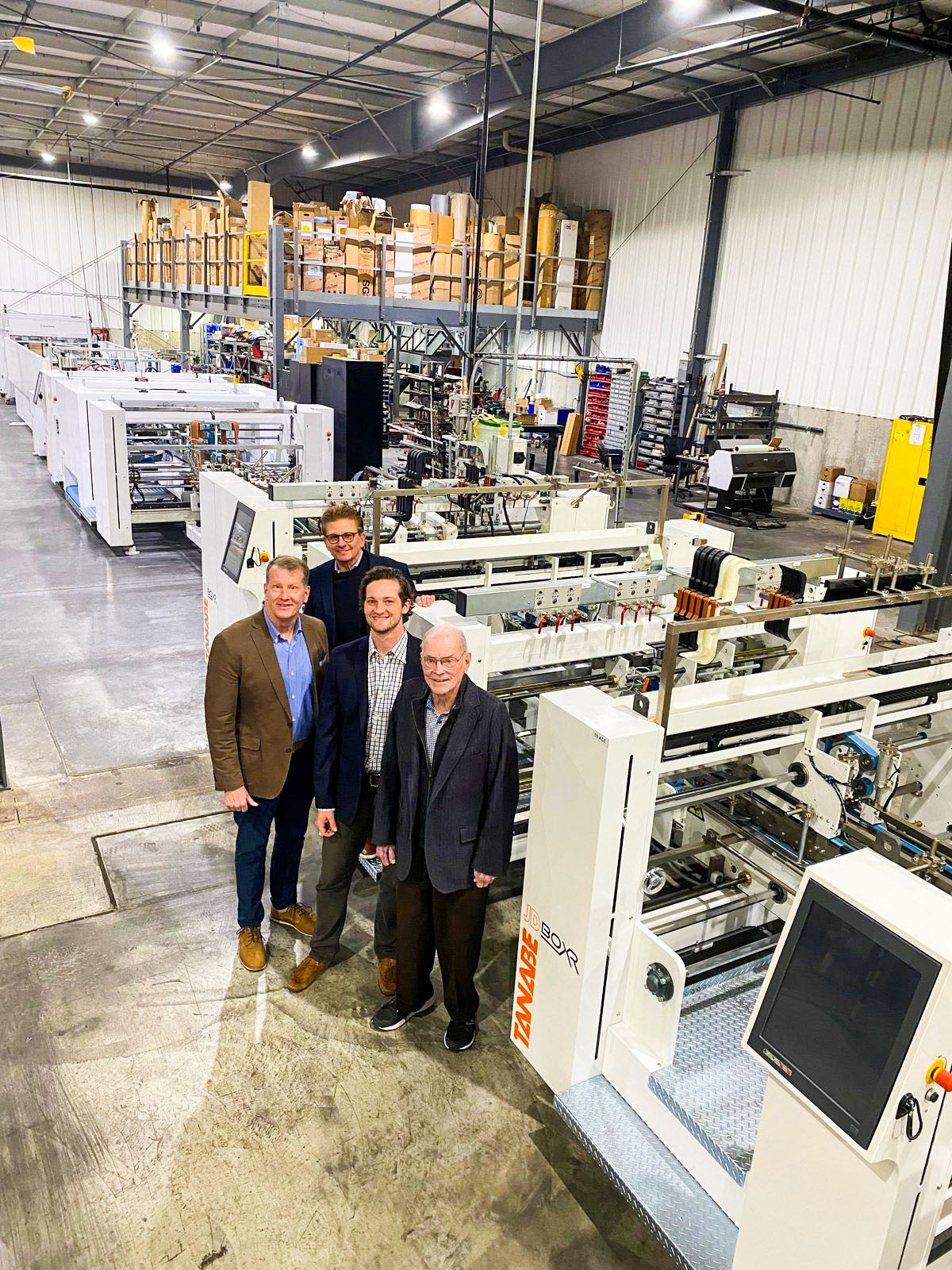
Tanabe JD BoxR & a New ERP
Our Tanabe JD BoxR specialty folder-gluer goes live in February, roughly doubling gluing output, and the plant moves to the Encore ERP system.
A New President
Steve Dybus retires after 37 years with the company. Rob Wunderlich becomes President and Steve Dybus Jr. Vice President.
Rated Superior
In October, our Kiwa ASI cGMP audit rates the plant Superior (96%). See our certifications.
Six Generations of Wunderlich
Very few family businesses make it past the second generation. Ours is on its sixth, and it has never left North St. Louis.
Charles “Chas.” Wunderlich
Started the cooperage in 1860 and incorporated it in 1892 as the Chas. Wunderlich Cooperage Co.
Charles Wunderlich Jr. & Albert Wunderlich Sr.
Charles Jr. led from 1900, followed by his brother Albert Sr. Together they grew the cooperage to as many as 12 Southern stave mills.
Albert Wunderlich Jr.
Led the company through the postwar decades and was still at the helm for its 1976 Bicentennial profile.
Robert “Bob” Wunderlich
Joined in 1963 and led four decades of growth, new machinery and new plant space. Accepted the Spirit of St. Louis Award in 2009.
Rob Wunderlich & Steve Dybus
Rob, a Marine Corps veteran, joined around 1999 and became President in 2026. Steve, Bob’s son-in-law, joined in 1989 and led the company from 2009 to 2026.
Steve Dybus Jr.
A Clemson packaging science graduate, now helping lead the company into its next chapter.
Still on Clinton Street
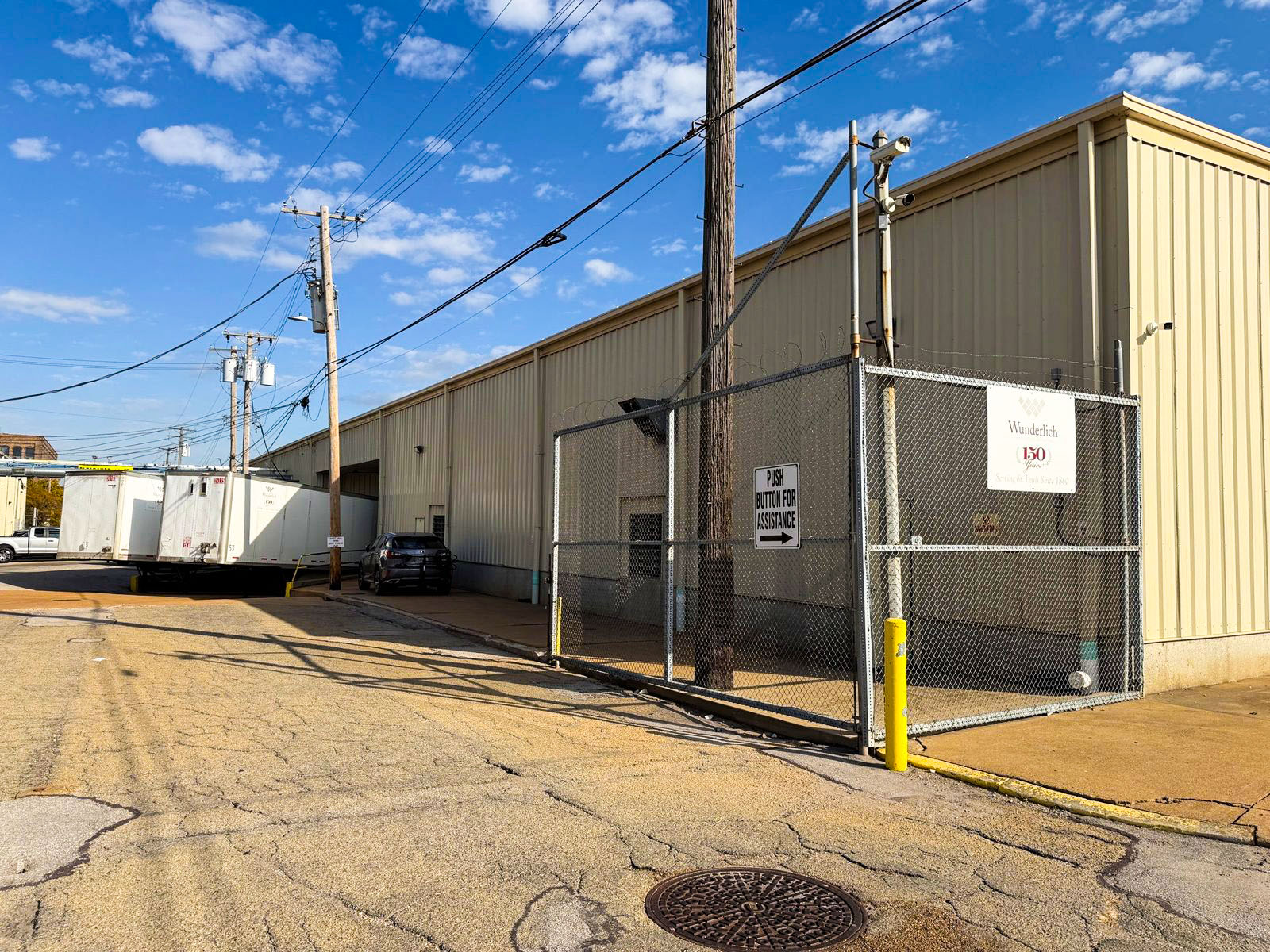
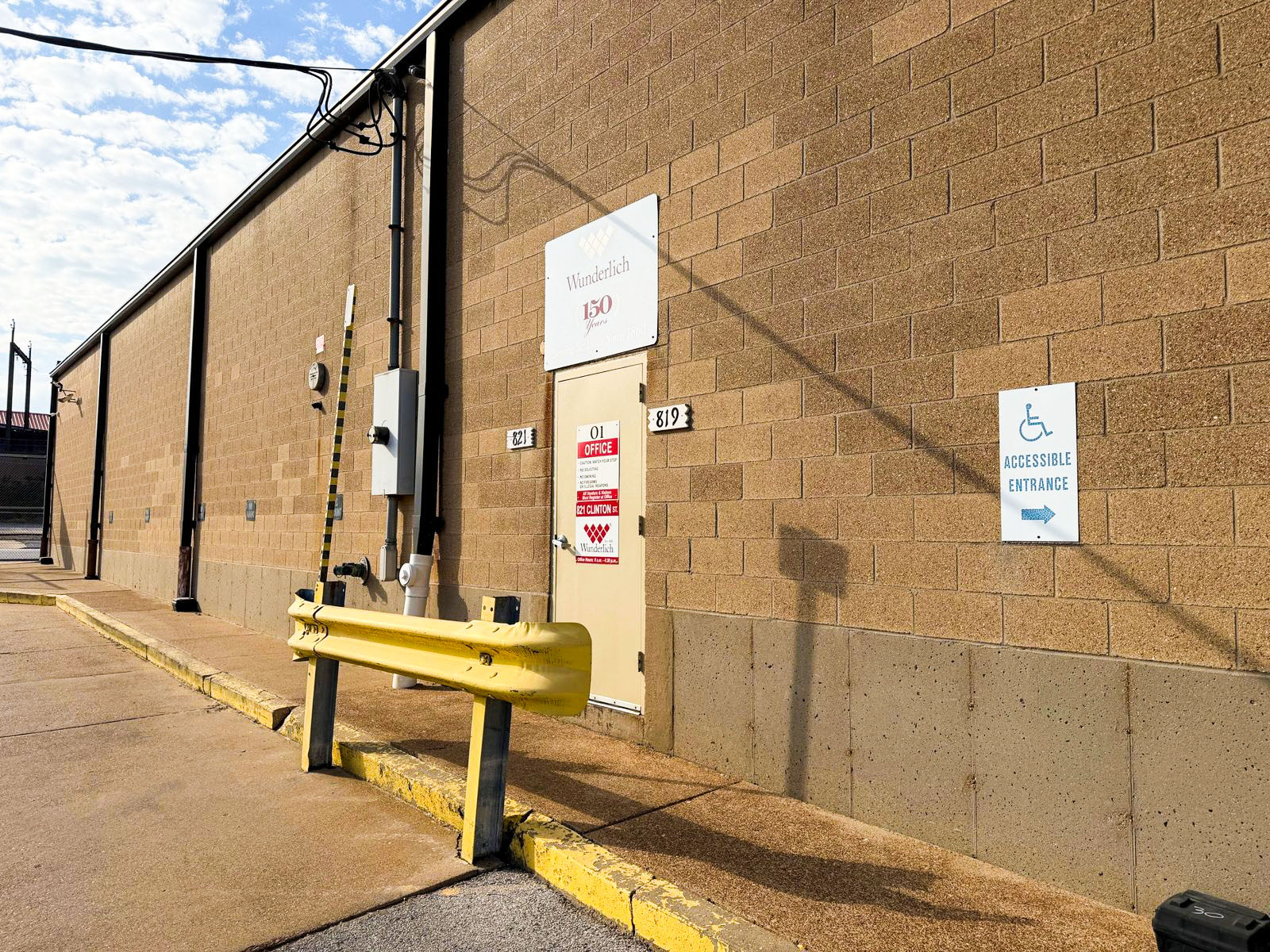
The trucks have changed and so has the plant, but the address hasn’t. Our office still sits at 819–821 Clinton Street, a short walk from where Charles Wunderlich built his first barrels.
The Next Chapter Is Yours
For more than 165 years, our customers have written this story with us. Tell us what you need to ship next, and the sixth generation will help you build it.